PAPU CARES - CARE INSTRUCTIONS FOR YOUR PAPU PRODUCTS
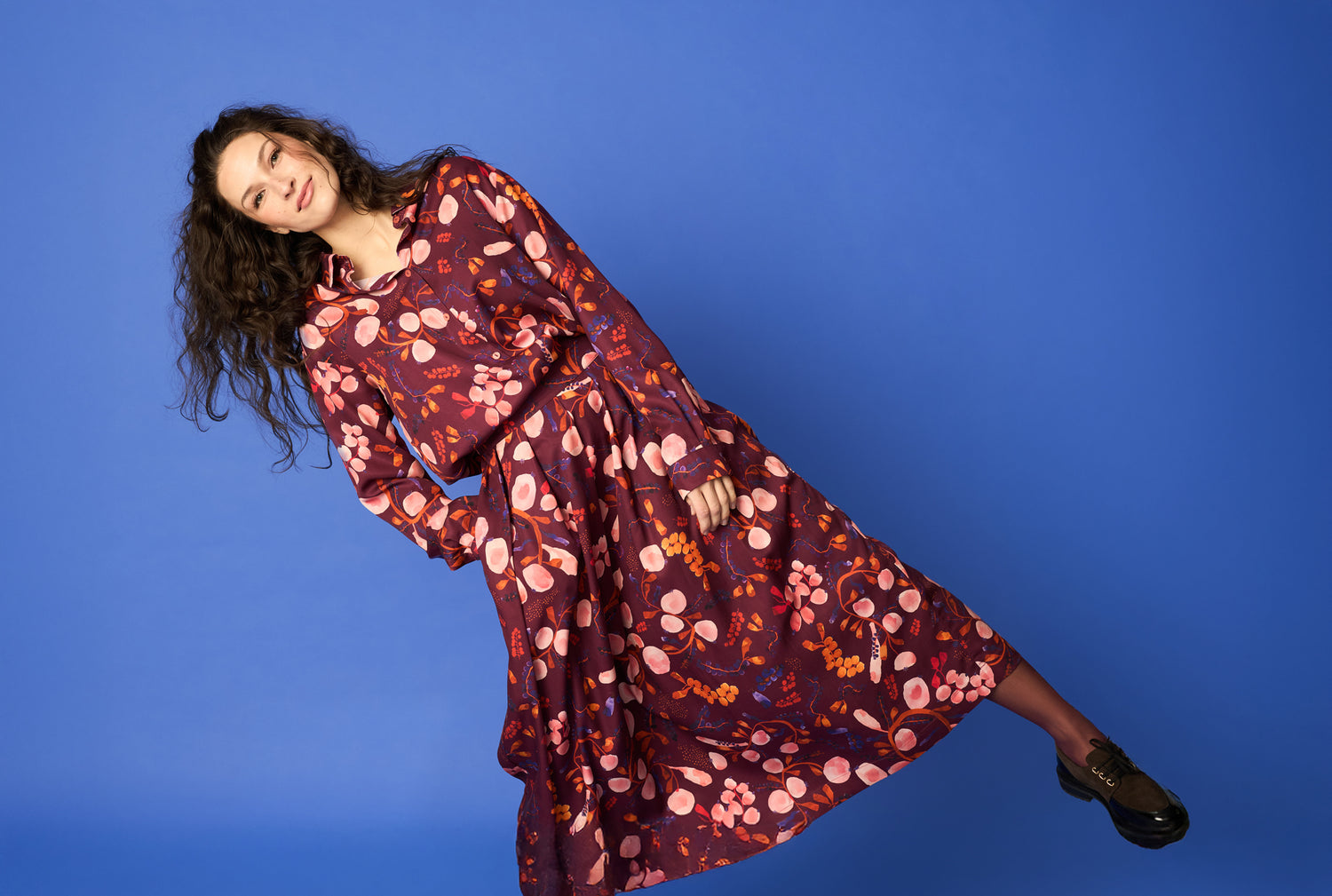
Did you know that garment care and use have a huge impact on extending the lifespan of a garment and, on the other hand, its overall environmental impact? The use phase of a garment has been proven to be one of the most environmentally demanding phases during the entire lifecycle of a garment. That's why we aim to share knowledge about how you can help maintain the quality of your product and enjoy the item you purchased or received as a gift for as long as possible!
Papu products are designed to last. They are carefully designed and manufactured with respect for the environment. We do our best to ensure the quality and longevity of our products. After purchase, the responsibility for product care transfers to our customer, but we want to do our best to be part of our products' lives from design to garment use.
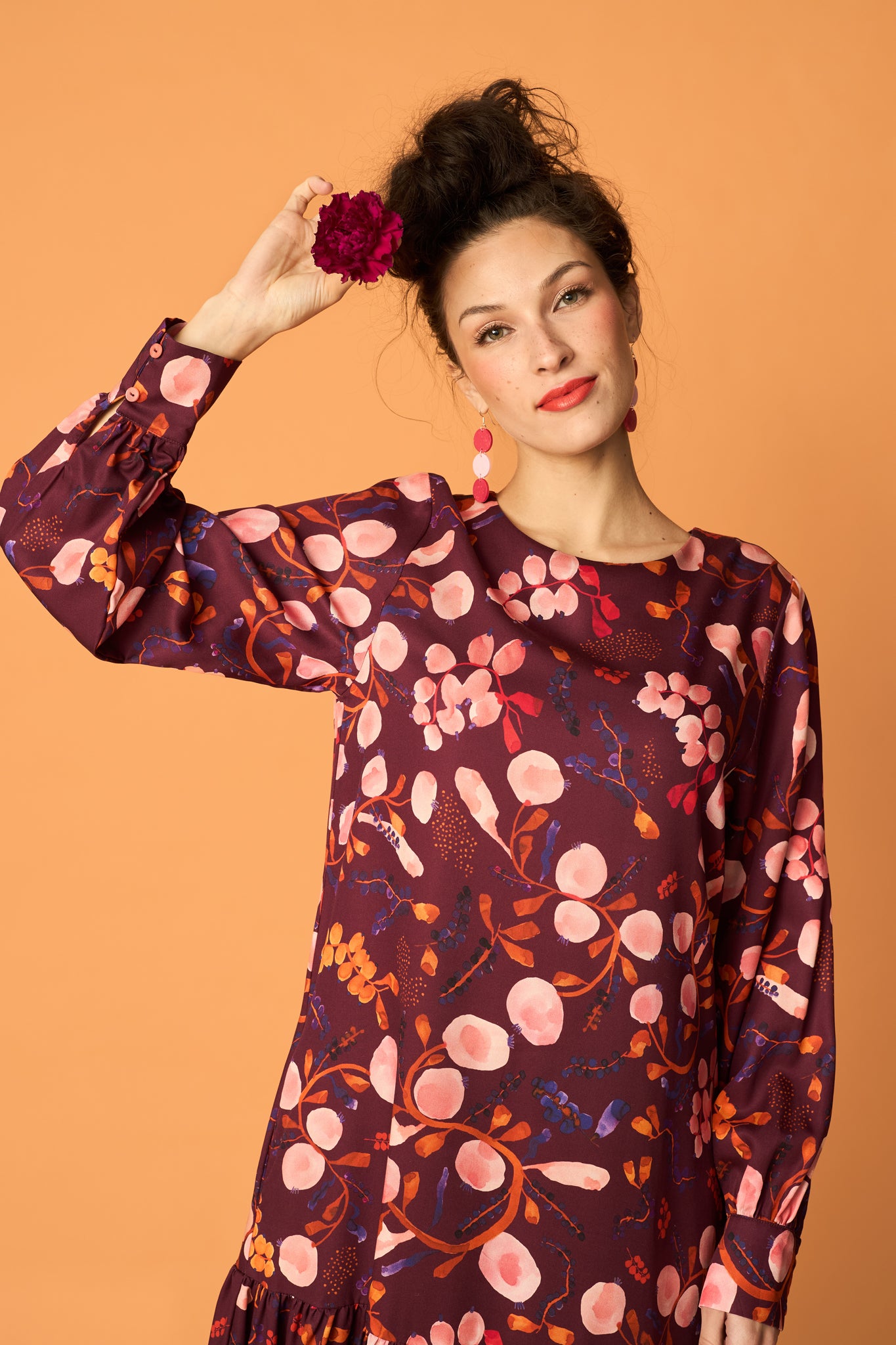
MATERIAL-SPECIFIC CARE INSTRUCTIONS
Each Papu product has product-specific washing instructions. We recommend checking the care label instructions and following them when caring for your garment – this ensures proper care for the product and can even protect it from unnecessary harsh handling.
COTTON CARE
We believe the most responsible garment is the one you love — and wear for a long time. Caring for your Papu pieces gently helps them stay beautiful, comfortable and long-lasting.
Always check the care label on your garment and follow the recommended instructions.
- Machine wash at 40°C (normal cycle)
- May shrink up to 5%
Pure 100% cotton can sometimes tolerate washing at 60°C or even 95°C, but most Papu cotton products also include 5% elastane. In that case, the garment should always be washed at 40°C (please see separate care instructions for cotton–elastane blends).
To save energy, we recommend washing lightly worn everyday items at 40°C. More heavily soiled garments may occasionally require a 60°C wash. While lower temperatures use less energy, stubborn dirt can also wear fibres over time — so it’s all about finding the right balance.
Whenever possible, avoid ironing. A simple tip: reshape your garment while it’s still damp. You can also hang a dry but wrinkled piece in the bathroom — the steam from a shower can gently smooth the fabric without using extra energy.
Please avoid tumble drying Papu garments, as it consumes a lot of energy and can be harsh on the fabric. Instead, let your pieces air-dry naturally, either indoors or outdoors. In summer, keep in mind that direct sunlight may fade colours and weaken fibres over time.
Please note: 100% cotton knitwear has separate care instructions.
COTTON KNIT CARE
We believe the most responsible knit is the one you wear and love for years. With gentle care, your Papu knitwear will stay beautiful, soft and in shape for a long time.
Always check the care label on your garment and follow the recommended instructions.
- Machine wash at 30–40°C (normal cycle)
- Avoid strong spinning
(Most washing machines allow you to adjust the spin speed. A gentle spin is best for knitwear.)
To protect your knit:
- Place the garment in a laundry bag, if it fits.
- Make sure there are no items in the wash that could snag the knit (such as zippers or Velcro).
Cotton absorbs a lot of water, which means cotton knitwear can feel heavy after washing. For this reason, we recommend flat drying for all knits. Lay the garment flat on a drying rack, on the bathroom floor, or even on sauna benches (once cooled). You can place a towel underneath to absorb moisture. Choose a towel in a similar colour, as some textiles may release dye when damp. Once the garment is almost dry, remove the towel.
Whenever possible, avoid ironing. If needed, iron only on the reverse side. A simple tip: reshape your knit while it is still damp. You can also hang a dry but wrinkled garment in the bathroom — the steam from a shower can help smooth the surface without using extra energy. However, do not leave cotton knitwear hanging on a hanger for long, as the knit may stretch.
Please do not tumble dry Papu garments, as tumble drying uses a lot of energy and can be harsh on the fabric. Instead, let your pieces air-dry naturally indoors or outdoors. In summer, keep in mind that direct sunlight may fade colours and weaken fibres over time.
For storage, knitwear is best kept folded, as hangers and hooks can stretch the fabric.
COTTON-ELASTANE CARE
To keep your Papu piece looking and feeling its best for as long as possible, always check the care label and follow the recommended instructions.
- Machine wash at 40°C (normal cycle)
- May shrink up to 5%
- Do not use fabric softener
Fabric softeners weaken elastane fibres and may cause them to break. Over time, this can loosen the fabric and affect the fit. Washing without fabric softener helps your garment stay in shape and last longer.
Whenever possible, avoid ironing. High heat can damage elastane fibres. If needed, iron only at a low temperature on the reverse side.
Tip: reshape the garment while it is still damp. Another easy way to reduce wrinkles is to hang a dry but wrinkled piece in the bathroom — the steam from a shower can gently smooth the fabric without using extra energy.
Please do not tumble dry Papu garments, as tumble drying uses a lot of energy and can be harsh on the fabric. Instead, air-dry your pieces naturally indoors or outdoors. In summer, keep in mind that direct sunlight may fade colours and weaken fibres over time.
LINEN CARE
Always check the care label on your garment and follow the recommended washing instructions.
Linen can tolerate temperatures up to 60°C, but it also cleans well at a gentler 40°C wash.
- Machine wash at 40°C (normal cycle)
- May shrink up to 5%
Wrinkling is part of linen’s natural character. You can reduce the need for ironing by reshaping the garment while it is still damp. Hang the linen piece to dry on a hanger and gently smooth out seams, sleeves and hems as straight as possible.
One easy way to avoid ironing is to hang a dry (but wrinkled) linen garment in the bathroom — the steam from a shower can help smooth the surface naturally, without using extra energy.
Please do not tumble dry Papu garments, as tumble drying consumes a lot of energy and can be harsh on the fibres. Instead, air-dry your pieces outdoors whenever possible, or let them dry naturally indoors. In summer, keep in mind that direct sunlight may fade colours and weaken fibres over time.
LYOCELL CARE
To keep your Lyocell piece looking and feeling its best, we recommend gentle care.
Even if the care label suggests otherwise, we recommend a gentle 30°C wash for Lyocell garments.
- Gentle wash at 30°C
- May shrink up to 5%
- Wash inside out in a laundry bag
- Use a non-bleaching detergent
Please note that bright and colourful garments may release excess dye — sometimes even when dry — so we recommend washing the product before first wear.
Lyocell is a delicate material and can be sensitive to stain removers and rubbing. Avoid strong chemicals and scrubbing. If a stain appears, we recommend washing the entire garment rather than treating only the stained area.
Lyocell may feel slightly stiff after washing, but it will soften again as it dries. Lightly ironing the garment on the reverse side while it is still slightly damp helps smooth and soften the fabric and may also help the garment return to its original shape after shrinkage.
Do not soak the garment, and do not leave it wet inside the washing machine. Remove it immediately after washing and hang to dry.
Please do not tumble dry Papu garments, as tumble drying consumes a lot of energy and can be harsh on the fibres. Instead, air-dry your pieces outdoors whenever possible, or let them dry naturally indoors. In summer, keep in mind that direct sunlight may fade colours and weaken fibres over time.
ECOVERO VISCOSE CARE
Always check the care label on your garment and follow the recommended washing instructions.
- Machine wash at 40°C (normal cycle)
- May shrink up to 5%
- Use a non-bleaching detergent
Please note that bright and colourful garments may release excess dye — sometimes even when dry — so we recommend washing the product before first wear.
EcoVero™ is a delicate material and can be sensitive to stain removers and rubbing. Avoid strong chemicals and scrubbing. If a stain appears, we recommend washing the entire garment rather than treating only the stained area.
Do not soak the garment, and do not leave it wet inside the washing machine. Remove it immediately after washing and hang to dry.
Please do not tumble dry Papu garments, as tumble drying consumes a lot of energy and can be harsh on the fibres. Instead, air-dry your pieces outdoors whenever possible, or let them dry naturally indoors. In summer, keep in mind that direct sunlight may fade colours and weaken fibres over time.
MERINO WOOL CARE
Wool is naturally self-cleaning. A merino wool garment that has been worn but isn’t stained is often best refreshed simply by airing it out — or, in true Nordic style, by giving it a gentle “snow wash”! Merino wool should only be washed when it is truly dirty. For small stains, we recommend spot cleaning whenever possible.
When washing is needed, please note that most of our merino wool products are best washed by hand. Avoid hot water — lukewarm or even cool water is perfect for merino wool.
Use a gentle detergent made specifically for wool and silk.
After washing, dry merino wool garments flat, for example on a drying rack, on the bathroom floor, or on sauna benches (once cooled). You can place a towel underneath to absorb moisture. Choose a towel in a similar colour, as some textiles may release dye when damp. Once the garment is almost dry, remove the towel.
Eco tip: use clean towels that are ready to become hand towels, or lightly used face towels that don’t need a full wash yet.
Whenever possible, avoid ironing. If needed, iron only on the reverse side. A simple tip: reshape your wool garment while it is still damp — this often removes the need for ironing completely.
Please do not tumble dry Papu garments, as tumble drying consumes a lot of energy and can be harsh on the fibres. Instead, let your pieces air-dry naturally indoors or outdoors. In summer, keep in mind that direct sunlight may fade colours and weaken fibres over time.
For storage, wool knitwear is best kept folded, as hangers and hooks can stretch the knit.
BERET CARE
100% wool (felted)
- Do not wash
- Do not iron
- Do not tumble dry
Wool is naturally antibacterial and self-cleaning, so airing your beret is usually all it needs. For best results, refresh it outdoors in clean, fresh air.
For small stains, we recommend spot cleaning. Dry stains can often be removed by gently scraping or brushing them off. If needed, carefully dab the stain with a clean, slightly damp cloth.
Here are a few more helpful tips to help you extend the life of your clothes and keep them in good condition:
- We recommend an initial wash for new Papu garments: During the first few wears, color may come off the garment, so washing before first use is recommended.
- Always follow the given care instructions: Following the correct washing and care method helps preserve the garment's quality and color longer.
- Avoid excessive washing: Air the garment after use if it's not dirty. Washing wears fabric, so avoid unnecessary washing when possible.
- Handle stains immediately: Remove stains as soon as possible so they don't have time to soak into the fabric and set.
- Store the garment properly: Hang garments loosely or fold them carefully so they maintain their shape.
- Care for your garment with love: Repair small damages, such as loose seams or small holes, to extend the life of your garment.